


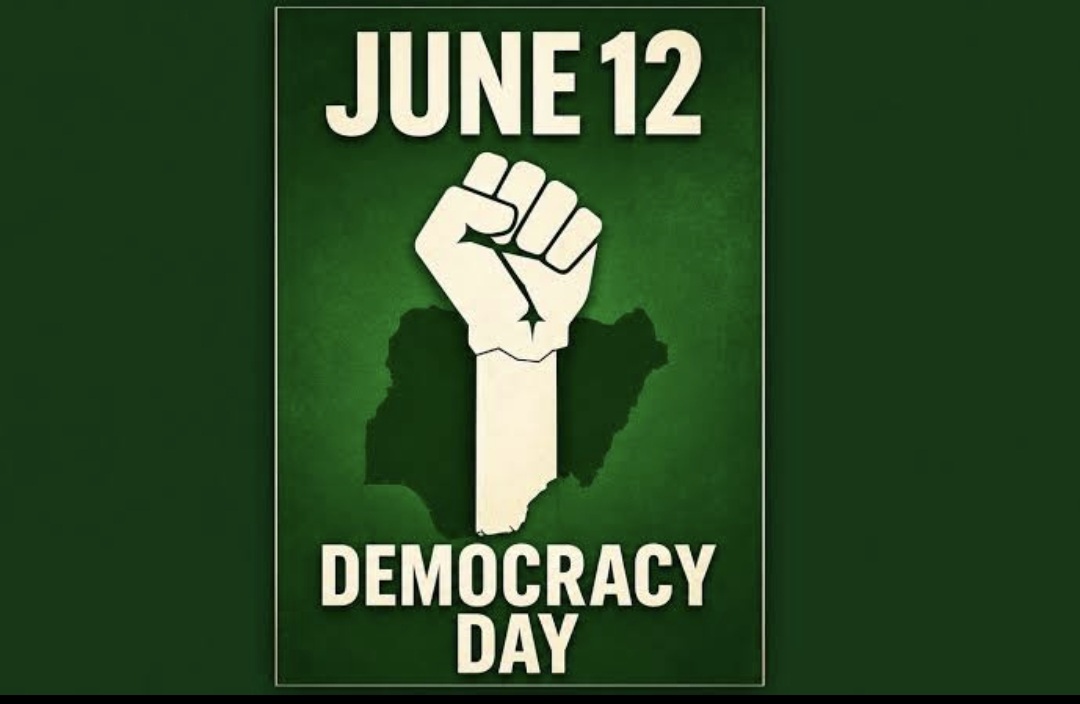
Problems facing Northern Nigeria continue to cast a shadow over the celebration of Nigeria’s 27 years of uninterrupted democratic rule. Once a flourishing and economically vibrant region, Northern Nigeria is now battling poverty, unemployment, widespread insecurity, and declining agricultural productivity. While government officials and political leaders celebrate another Democracy Day with speeches and declarations of progress, many citizens across the North are confronted by daily realities that make celebration difficult.
Agriculture, which forms the backbone of the northern economy, has suffered significant setbacks. Persistent attacks by bandits, insurgents, and other non-state actors have forced thousands of rural farmers to abandon their ancestral lands.
In many communities, farming activities have been disrupted by insecurity, with some farmers reportedly paying levies to gain access to their own farmlands. Those unable to comply often lose both their livelihoods and their safety. The disruption of farming activities has contributed to food shortages, rising food prices, and growing economic hardship across the region.
Democracy is widely regarded as a system that guarantees citizens the right to participate in governance, express their views freely, and hold leaders accountable. In many developed countries, democratic institutions have contributed to economic growth, improved living standards, and political stability.
For Nigerians who struggled for the return of civilian rule in 1999, democracy represented hope for a better future after decades of military rule.
The transition to democratic governance came after years of agitation and sacrifice by pro-democracy activists, civil society groups, and ordinary citizens. The June 12, 1993, presidential election, widely considered the freest in Nigeria’s history, was annulled by the military government, leading to widespread protests and political unrest.
The presumed winner, Chief MKO Abiola, paid a heavy price for defending the mandate given to him by Nigerians.
Twenty-seven years after the return to civilian rule, many Nigerians continue to question whether democracy has delivered the expected economic and social benefits. Before 1999, Nigeria had a vibrant industrial sector, with manufacturing activities concentrated in cities such as Kano, Kaduna, and Lagos.
These industries provided employment opportunities and supported economic growth. Over the years, however, many factories have shut down, leaving thousands unemployed and worsening poverty levels.
The country’s economic challenges have become more pronounced in recent years. Inflation, unemployment, and the depreciation of the naira have significantly affected the living conditions of ordinary Nigerians.
While the increase in the minimum wage to N70,000 was expected to provide some relief, many households continue to struggle with rising food prices, transportation costs, and other essential expenses.
The removal of fuel subsidies and the floating of the naira under the administration of President Bola Tinubu were introduced as part of broader economic reforms. However, the immediate impact of the policies increased hardship for many citizens.
Fuel prices rose sharply, transportation became more expensive, and the purchasing power of households weakened. Although the government introduced palliative measures, many Nigerians believe the interventions have not adequately addressed the challenges.
Beyond economic hardship, insecurity remains one of the most pressing concerns confronting the country. Across several northern states, communities continue to experience attacks by bandits, insurgents, and kidnappers.
In Katsina, Zamfara, Sokoto, Kebbi, Niger, and Kogi states, residents live with the fear of abductions and violent attacks. In Yobe and Borno states, Boko Haram and the Islamic State West Africa Province (ISWAP) continue to carry out attacks that claim the lives of civilians and security personnel. In Plateau, Benue, and parts of Adamawa State, recurring killings and communal violence have claimed hundreds of lives and displaced many families.
Reports from security and humanitarian organisations indicate that the scale of violence remains alarming. More than 1,400 people were reportedly killed or abducted within the first 96 days of 2026, while over 1,200 lives were lost in the first 41 days of the year alone.
On average, about 27 Nigerians were reportedly killed daily during the period. In November 2025, more than 400 people, including schoolchildren, were abducted within a single week across northern states. In February 2026, more than 160 worshippers were reportedly killed during an attack in Kwara State.
The consequences of the violence extend beyond the loss of lives. Farming communities have been severely affected as many farmers abandon their farmlands for safety. The disruption of agricultural activities has contributed to food shortages and rising prices.
Humanitarian agencies have projected that nearly 35 million Nigerians could face severe food insecurity during the 2026 lean season, raising concerns about hunger and malnutrition in vulnerable communities.
As a mother, these realities make the celebration of Democracy Day difficult. Across many communities, parents send their children to school with fear.
The recurring abduction of pupils and students from educational institutions has left families traumatised. Mothers worry about whether their children will return home safely. Families in both rural and urban communities live with the anxiety that a loved one could become the next victim of kidnapping.
For many women, democracy has yet to deliver the most basic expectation of government: security. Every day, stories emerge of people being abducted while travelling, working on farms, worshipping, or carrying out their daily activities.
In communities affected by violence, many mothers have buried children, searched for missing relatives, or fled their homes in search of safety.
The federal government has repeatedly assured citizens that efforts are being intensified to address insecurity. Government officials have highlighted military operations, economic reforms, and social intervention programmes aimed at improving the lives of Nigerians.
However, many citizens believe that more decisive action is needed to restore confidence and protect vulnerable communities.
Democracy is not measured solely by the conduct of elections or the existence of civilian governments. It is also measured by the ability of the state to protect lives, create economic opportunities, and ensure the welfare of its citizens.
When people cannot travel safely, farm safely, worship safely, or send their children to school without fear, questions inevitably arise about the effectiveness of democratic governance.
Nigeria’s 27 years of uninterrupted civilian rule remain a significant achievement in the country’s political history. However, Democracy Day should also provide an opportunity for reflection.
It should remind leaders of their responsibility to address the challenges confronting citizens and fulfil the promises that inspired the struggle for democratic governance.
As the nation celebrates June 12, it is important to remember the millions of Nigerians who cannot fully join in the celebrations. They are mourning loved ones, searching for abducted family members, living in displacement camps, or struggling to survive amid economic hardship.
The sacrifices made by MKO Abiola and countless pro-democracy activists were rooted in the belief that every Nigerian matters and that government should remain accountable to the people.
Honouring that legacy requires more than speeches and ceremonies. It requires concrete action to secure lives, strengthen livelihoods, and restore hope to communities living under the threat of violence.
For many citizens, particularly mothers across Northern Nigeria, democracy will fulfil its promise only when children can attend safe and well-equipped schools that provide quality education, farmers can return safely to their fields, travellers can move freely on good roads, and families can sleep peacefully in their homes.
It will also be judged by the availability of accessible and affordable healthcare services, effective measures to control inflation and reduce the rising cost of living, reliable electricity that supports businesses and households, increased security across communities, and the creation of sustainable employment opportunities for millions of young Nigerians.
Until these basic needs are met, Democracy Day will remain a reminder not only of how far Nigeria has come, but also of how far it still has to go.
Amina Khalid Muhammad writes from Kano.

