


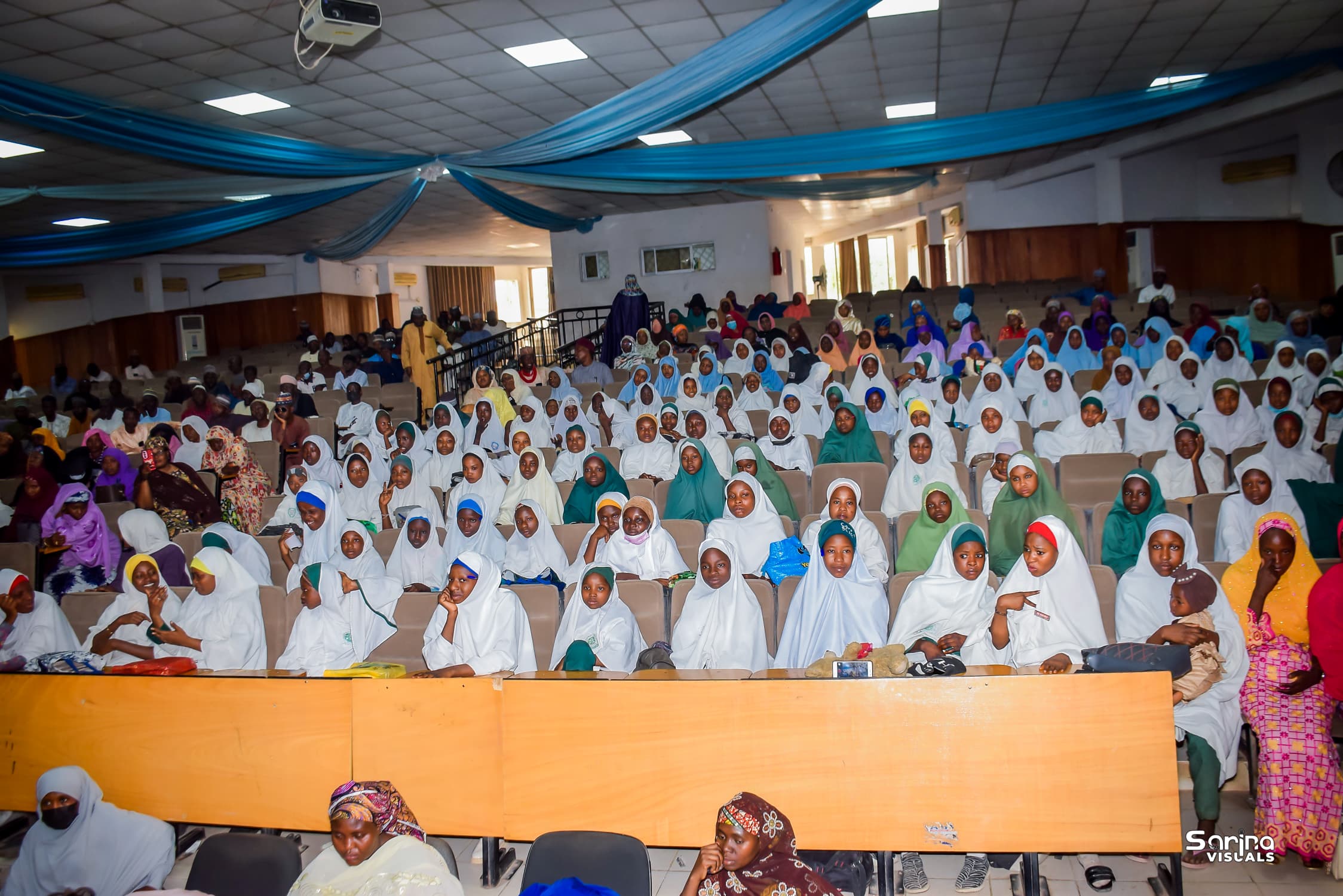
The Kanawa Educational Foundation for the Disabled (KEFD) has brought together government officials, civil society organizations, traditional and religious leaders to discuss the challenges faced by young girls with disabilities in the state.
The dialogue, held at the Aminu Kano Centre for Democratic Studies (Mambayya House), is part of KEFD’s ongoing SABI WOMAN project, implemented with support from Sightsavers and funded by UNICEF.
Speaking at the opening ceremony, Ibrahim Garba Madu, Chief Executive Officer of KEFD, said the initiative was aimed at uniting stakeholders to find practical solutions for the problems affecting girls with disabilities.
“Our goal is to ensure that the voices of young girls with disabilities are heard, and that parents, teachers, and community leaders play an active role in addressing their challenges,” Madu said. “This is the third dialogue in the series, part of our SABI WOMAN project implemented with support from Sightsavers and funded by UNICEF.”
He added, “We believe that meaningful change comes when everyone collaborates — government, civil society, families, and communities alike — to support these young girls and guarantee their access to education and social opportunities.”
Dr. Hafsat Sani Chindo, Head of Life Coaches, encouraged participants to actively engage in the discussions.
“Life coaching empowers both the girls and their caregivers to build resilience, set goals, and overcome barriers imposed by society,” she said. “We hope this dialogue will inspire practical actions that enhance the lives of girls with disabilities.”
Dr. Binta Bala, Director of Disability Affairs at the Kano State Ministry of Women Affairs, Children, and Disabled, also commended KEFD for the initiative.
“This platform provides an opportunity to highlight the needs of girls with disabilities and identify gaps in policies and services,” Bala said. She urged families and communities to actively support the education and wellbeing of these girls.
Traditional leaders reaffirmed their support for the initiative. The Dan Amar of Kano and District Head of Gobirawa, Alhaji Aliyu Harazimi Umar, reiterated the Kano State Emirate Council’s commitment to community development.
“Our doors are always open to initiatives that promote dialogue, inclusion, and development in our communities,” he said. “We encourage all stakeholders to work together to ensure these young girls are not left behind.”
The dialogue concluded with participants calling for stronger collaboration among government agencies, NGOs, families, and community leaders to create a more inclusive and supportive environment for girls with disabilities to thrive.

