
By Aisha Ahmed
Kano, Jan. 28, 2026
United Nations Children’s Fund (UNICEF), has solicited for media support in amplifying the voices of children in Water, Sanitation and Hygiene, thus bringing governments to account on their commitments.
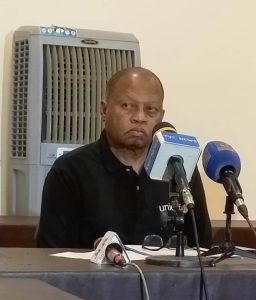
Mr Rahama Rihood Mohammed Farah, Chief UNICEF Field Office Kano made the appeal Tuesday, at a Media Dialogue on Water, Sanitation and Hygiene (WASH) services in Kano and Jigawa States.
According to him, WASH Matters for children, schools and health care facilities, as they play host to substantial number of people of a variety of ages, health status and physical abilities.
These settings he explained, can be centers for rapid diseases spread if not adequately provided with WASH facilities.
“Clean water, toilets, and handwashing stations in schools and health centers are lifelines for children’s health, for their learning, and dignity.
“Without them, school absenteeism rises especially for girls and infections spread rapidly, undermining SDG targets for education (4.a) and universal WASH (6.1-6.2),” the Chief said.
Nationwide, he explained, only 11% of schools have access to basic water supply, basic sanitation and hygiene services with figures that are even more dire in rural Northwest Nigeria.
“Only 6% of health facilities have access to basic water supply, basic sanitation, and hygiene services.
WASH Situation in Kano and Jigawa states.
“In both states, the situation mirrors national laws but demands urgent local action, though Jigawa and recently Katsina states, have made strides toward open defecation-free status.
He however disclosed that UNICEF with funding support of donors, is supporting the governments to improve WASH services in schools and health facilities.
He stressed that through investment of £19 million by the UK Government in the Climate Resilient for Basic Infrastructure (CRIBS) Programme, 84 climate-resilient health and education facilities in Kano and Jigawa last year.
These settings he explained, can be centers for rapid diseases spread if not adequately provided with WASH facilities.
“Clean water, toilets, and handwashing stations in schools and health centers are lifelines for children’s health, for their learning, and dignity.
“Without them, school absenteeism rises especially for girls and infections spread rapidly, undermining SDG targets for education (4.a) and universal WASH (6.1-6.2),” the Chief said.
He recalled that the Nigeria 2021 WASHNORM II survey, being the most comprehensive recent national assessment, revealed stark challenges in WASH services across institutions like health facilities and schools.
Nationwide, he explained, only 11% of schools have access to basic water supply, basic sanitation and hygiene services with figures that are even more dire in rural Northwest Nigeria.
“Only 6% of health facilities have access to basic water supply, basic sanitation, and hygiene services.
WASH Situation in Kano and Jigawa states.
“In both states, the situation mirrors national laws but demands urgent local action, though Jigawa and recently Katsina states, have made strides toward open defecation-free status.
“Handwashing functionality remains low, with states like Jigawa scoring below national averages in school hygiene infrastructure, leaving millions of children exposed to preventable illnesses like diarrhea and cholera.
“In Northwest Nigeria, poor WASH contributes to high child morbidity, robbing kids of safe spaces to thrive,” UNICEF Boss highlighted.
He however disclosed that UNICEF with funding support of donors, is supporting the governments to improve WASH services in schools and health facilities.
He stressed that through investment of £19 million by the UK Government in the Climate Resilient for Basic Infrastructure (CRIBS) Programme, 84 climate-resilient health and education facilities in Kano and Jigawa last year.
The above success was recorded being a collaboration between UNICEF, the Federal Government, the UK Government and partners.
Farah then, urged the media, the media, to utilise its power, to drive change through relentless advocacy thus putting spotlight on WASHNORM gaps in Kano and Jigawa states.
He appealed to them to demand transparency on state budgets, track resource allocations for boreholes, latrines, and soap in health and educational facilities.
He reminded them of their responsibility in holding government at all levels accountable for SDG commitments.
