


Dutse, Oct. 14, 2026
Gov. Umar Namadi of Jigawa, has said that the state will bear the cost of converting targeted irrigation pumps, to Compressed Natural Gas (CNG), to reduce farmers’ production costs.
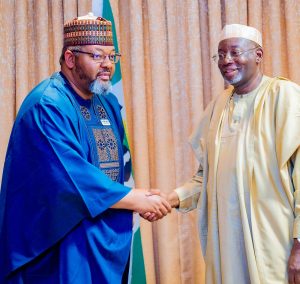
Namadi gave the assurance on when he received the Chairman of the Presidential Initiative on Compressed Natural Gas and Electric Vehicles (Pi-CNG & EV), Ismaeel Ahmed at the government House on Wednesday.
The governor said the state was expanding its collaboration with the initiative to develop alternative energy infrastructure, particularly to support irrigation and agricultural production.
He said energy costs accounted for more than 50 per cent of farmers’ operating expenses, a situation he noted was discouraging some farmers from returning to their farms.
“As of today, energy costs constitute more than 50 per cent of the operating expenses of our farmers,” Namadi said.
He explained that converting irrigation pumps from conventional energy sources to CNG would complement government subsidies on agricultural inputs and reduce the financial burden on farmers.
“On this initiative, the state government is ready to bear the cost of conversion for the targeted farms. For us, going into CNG is a matter of necessity,” he said.
Namadi said the intervention would support the state’s dry-season wheat and rice production programmes, as part of efforts to strengthen food security and improve agricultural productivity.
He reiterated Jigawa’s target of cultivating 500,000 hectares of wheat and producing four million metric tonnes of rice annually by 2030.
The governor said the government was prepared to provide land and other necessary support to facilitate the initiative, including partnerships with private-sector investors.
Earlier, Ahmed described Jigawa as strategically positioned for the expansion of CNG infrastructure because of its location between Kano and the Northeast, availability of land and government’s interest in alternative energy.
He disclosed that the initiative was discussing with private-sector investors the possibility of establishing a major alternative energy hub in the state to serve vehicles and heavy-duty transport operating along major routes.
Ahmed also said the initiative was working towards expanding CNG conversion facilities in Jigawa, with a target of establishing at least 30 centres by December 2026, subject to the willingness of local investors to participate.
He added that the initiative would explore collaboration with the state government to establish electric vehicle charging infrastructure as part of its broader alternative energy programme.
Namadi welcomed the proposals and reaffirmed the state government’s commitment to working with the initiative, private investors and other relevant partners to develop alternative energy infrastructure.
He said the partnership would complement the state’s investments in irrigation and agricultural mechanisation while helping to reduce food production costs and improve farmers’ livelihoods.
